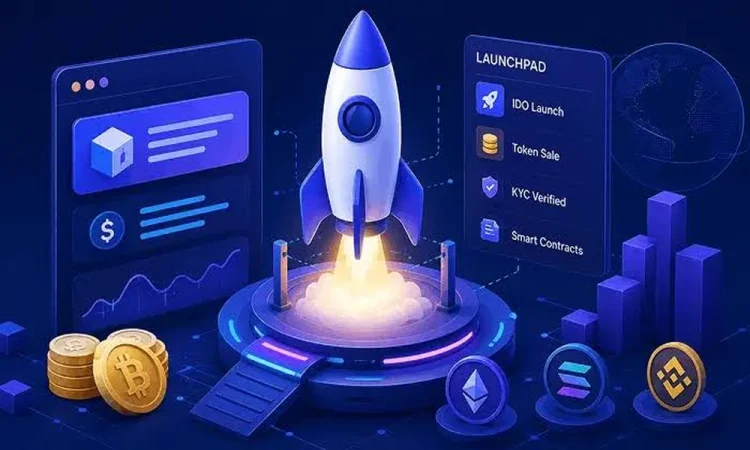
Creating a token often gets most of the attention. It is the part people talk about because it marks the beginning of something new. Yet anyone who has worked on a blockchain project knows that the work does not stop there. New tasks keep appearing, sometimes expected, sometimes not. Metadata needs updating. Liquidity has to be considered. Tokens may need to be distributed to a growing community. That is why developers looking for solana tools usually need more than a single feature. They need a collection of utilities that support the entire journey.
Every Stage Brings A Different Requirement
No two projects follow exactly the same path. Some focus on community growth from the beginning. Others spend more time refining the technical side before inviting people to participate. A few move quickly, while others develop gradually over months.
Even with those differences, similar tasks appear again and again.
A token has to be created. Information has to remain accurate. Distribution eventually becomes part of the conversation. Later, there may be liquidity management, token burns, or routine maintenance that keeps the project organised.
The work changes as the project grows.
One Tool Rarely Solves Everything
It is tempting to think of token creation as a single action. In practice, it feels more like moving through different workstations.
A creator may begin by generating a token, then return later to update metadata or review authority settings. Another day might involve opening a liquidity pool or distributing tokens to early supporters. Weeks later, there could be old token accounts to clean up or project information to review again.
The project keeps moving, and the tools supporting it usually need to move with it.
Looking At The Entire Workflow
Thinking about the complete workflow often makes planning easier.
| Task | Why It Matters |
|---|---|
| Token creation | Establishes the project on the blockchain. |
| Metadata management | Keeps token information accurate across supported platforms. |
| Authority controls | Helps manage important token permissions. |
| Liquidity creation | Supports public trading after launch. |
| Token distribution | Makes community growth easier through organised transfers. |
| Token burning | Permanently removes tokens from circulation when required. |
| Safety checks | Helps review publicly available token information. |
| Account cleanup | Recovers rent from unused token accounts where applicable. |
None of these activities exists in isolation.
They gradually become part of maintaining the project over time.
Around this point, many developers exploring solana tools begin looking for platforms that allow these activities to happen within a consistent workflow instead of relying on unrelated services for every individual task.
Supporting A Project Beyond Launch
A token does not stop changing once it becomes public. Communities expand. Metadata may require updates. Distribution continues. Liquidity management becomes part of regular project maintenance. Developers also find themselves reviewing token information, reclaiming unused account rent, or checking publicly available blockchain records more often than expected.
Those ongoing responsibilities are easier to manage when the supporting tools feel connected instead of scattered across different platforms.
Platforms such as SolForger bring these capabilities together through non custodial tools for token creation, metadata updates, authority management, liquidity pools, token swaps, token burning, airdrops, safety checks, account cleanup, and forge certificates backed by verifiable on chain activity.